Royal Morek Travel and Treks

Enhance Your Royal Experience

Plan Your Trip
Home
Packages
Services Corporate About Our Team Contact
Enhance Your Royal Experience
Plan Your Trip
Everest Base Camp Trek
Everest Region Trekking

Everest Base Camp Trek

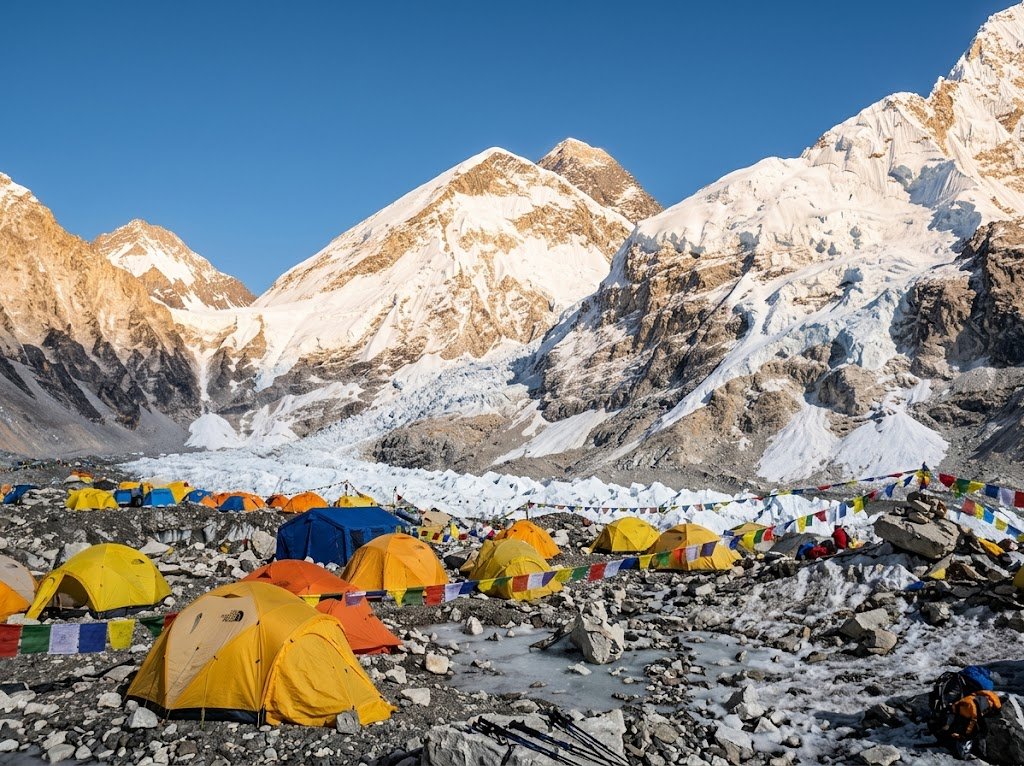
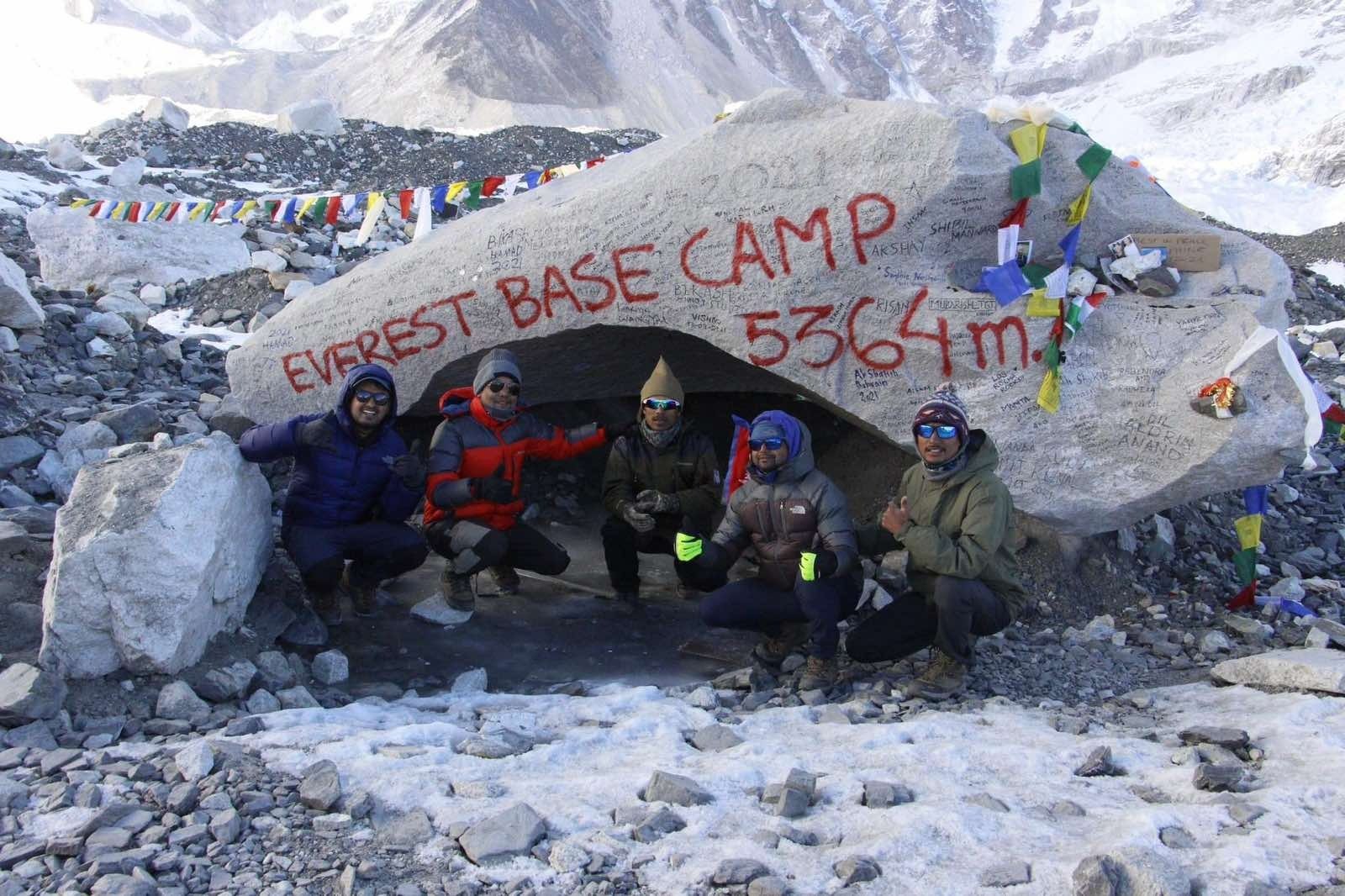
Follow one of the world's most iconic trekking routes through Sherpa villages, mountain valleys, suspension bridges, and breathtaking Himalayan landscapes before reaching Everest Base Camp at 5,364 metres.

Region Everest / Khumbu Region
Duration 12–14 Days
Max Altitude 5,545m Kala Patthar
Difficulty Moderate To Challenging
Best Seasons Spring & Autumn
Suitable For Individuals, Couples & Groups
A Journey Through The Himalayas

One Of The World's Most Recognised Trekking Experiences

Everest Base Camp Trek
5,364m Everest Base Camp

The Everest Base Camp Trek is one of Nepal's most iconic trekking experiences, taking travellers through the heart of the Khumbu region to the foot of the world's highest mountain. While reaching Everest Base Camp is the ultimate goal, the journey itself is what makes this trek truly memorable.

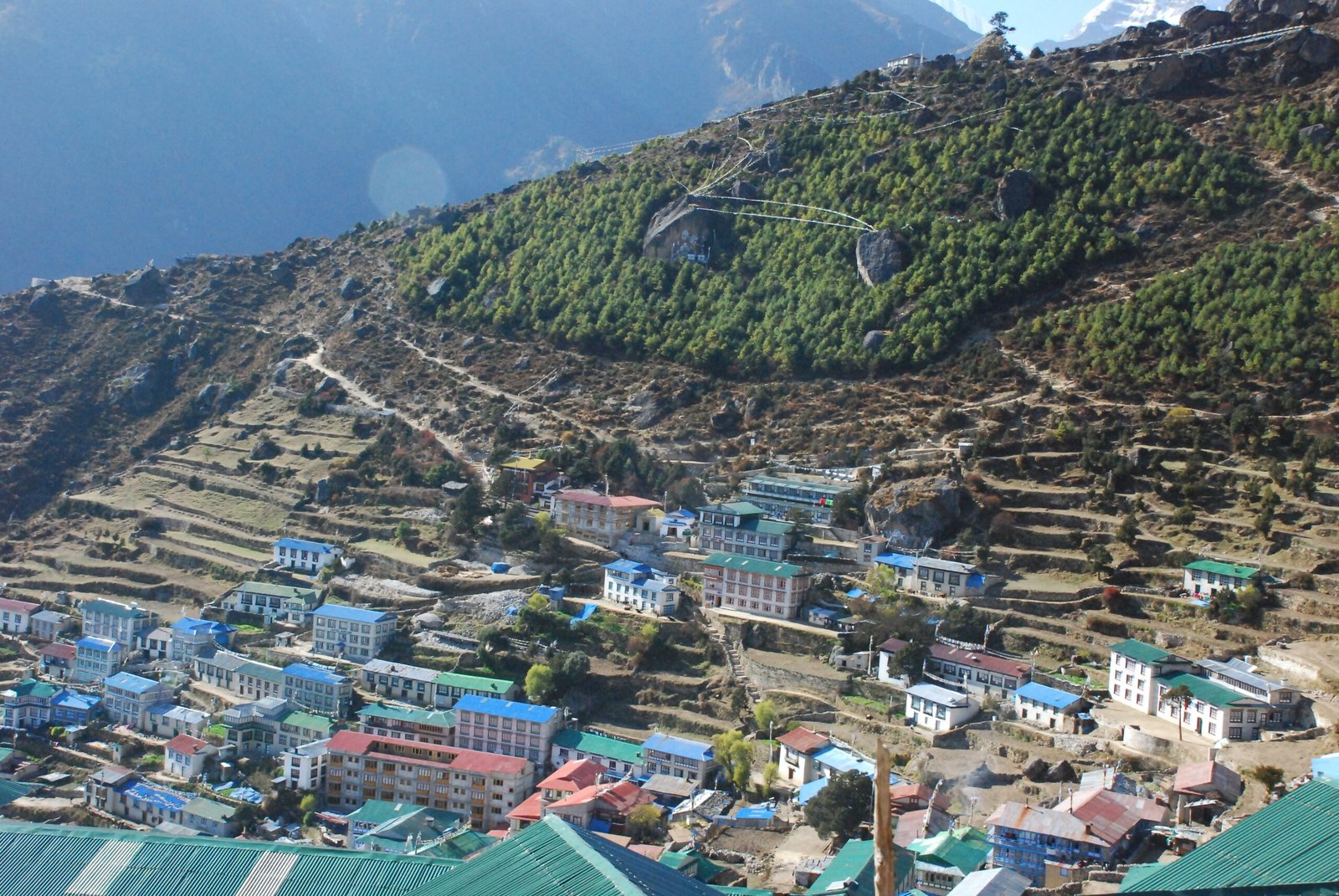
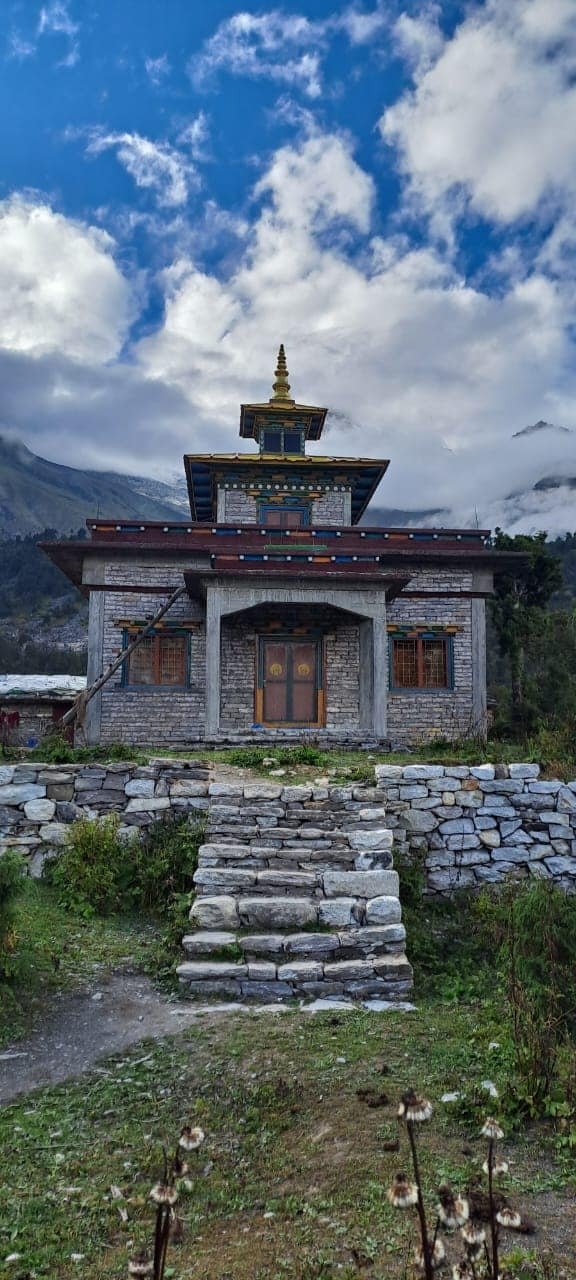
Beginning with a mountain flight to Lukla, the route follows historic Himalayan trails through traditional Sherpa villages, suspension bridges, mountain valleys, and centuries-old monasteries. Along the way, trekkers pass through Namche Bazaar, Tengboche, Dingboche, and Lobuche while enjoying spectacular views of Everest, Lhotse, Nuptse, Ama Dablam, and other renowned Himalayan peaks.

More than simply a trekking destination, the Everest Base Camp Trek offers a unique combination of natural beauty, local culture, and personal achievement. Whether you're an experienced trekker, a nature enthusiast, or pursuing a long-held travel goal, this journey provides an unforgettable experience in one of the world's most remarkable mountain regions.

Highlights

What Makes The Everest Base Camp Trek Special.

01

Everest Base Camp

Stand at the foot of the world's highest mountain and feel the atmosphere of the legendary Base Camp at 5,364m.

02

Kala Patthar Sunrise

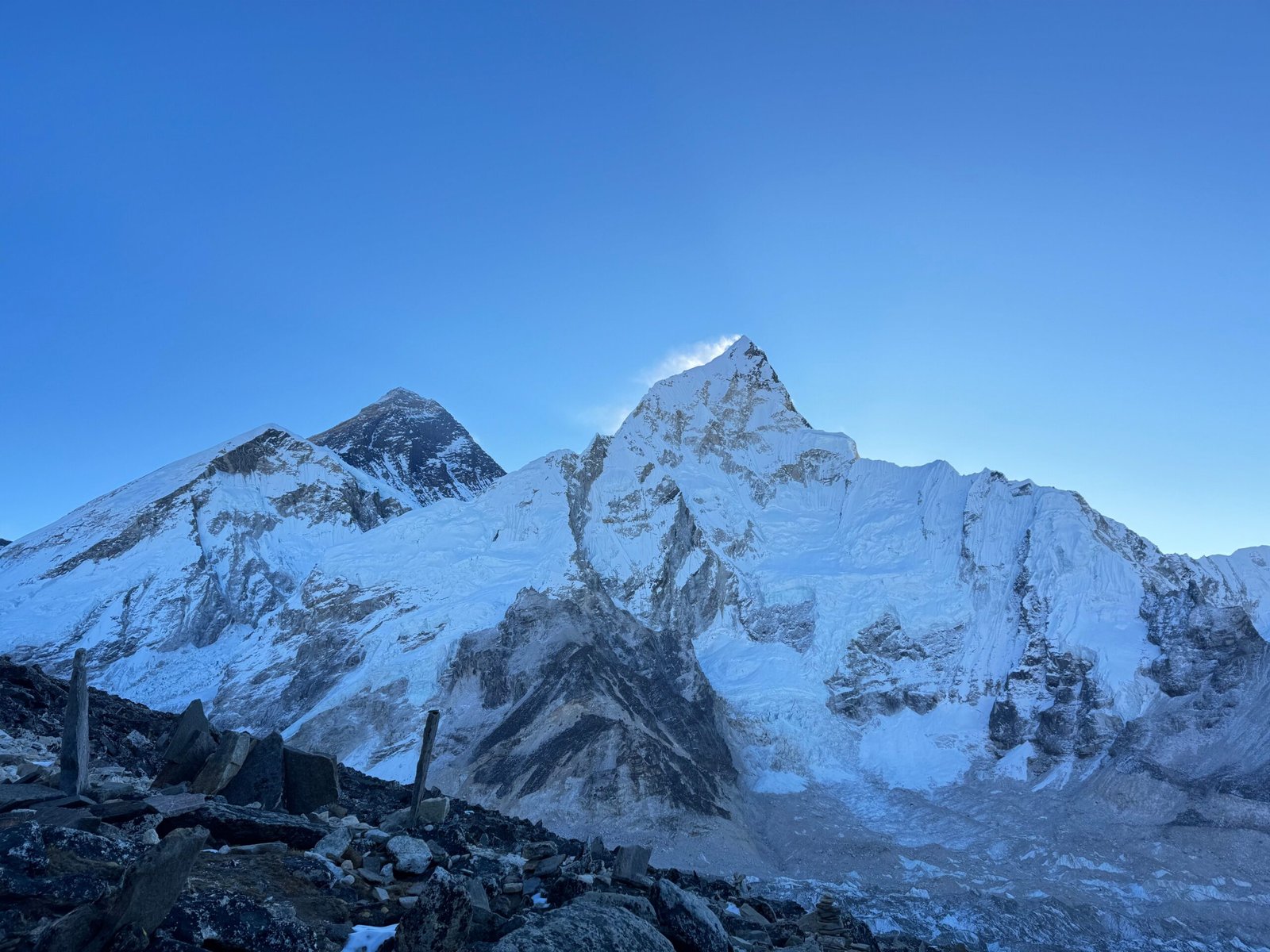
First light on Everest from the region's most famous viewpoint — the highest step of the trek at 5,545m.

03

Namche Bazaar

The cultural and commercial heart of Khumbu, and a defining acclimatisation stop on the ascent.

04

Tengboche Monastery

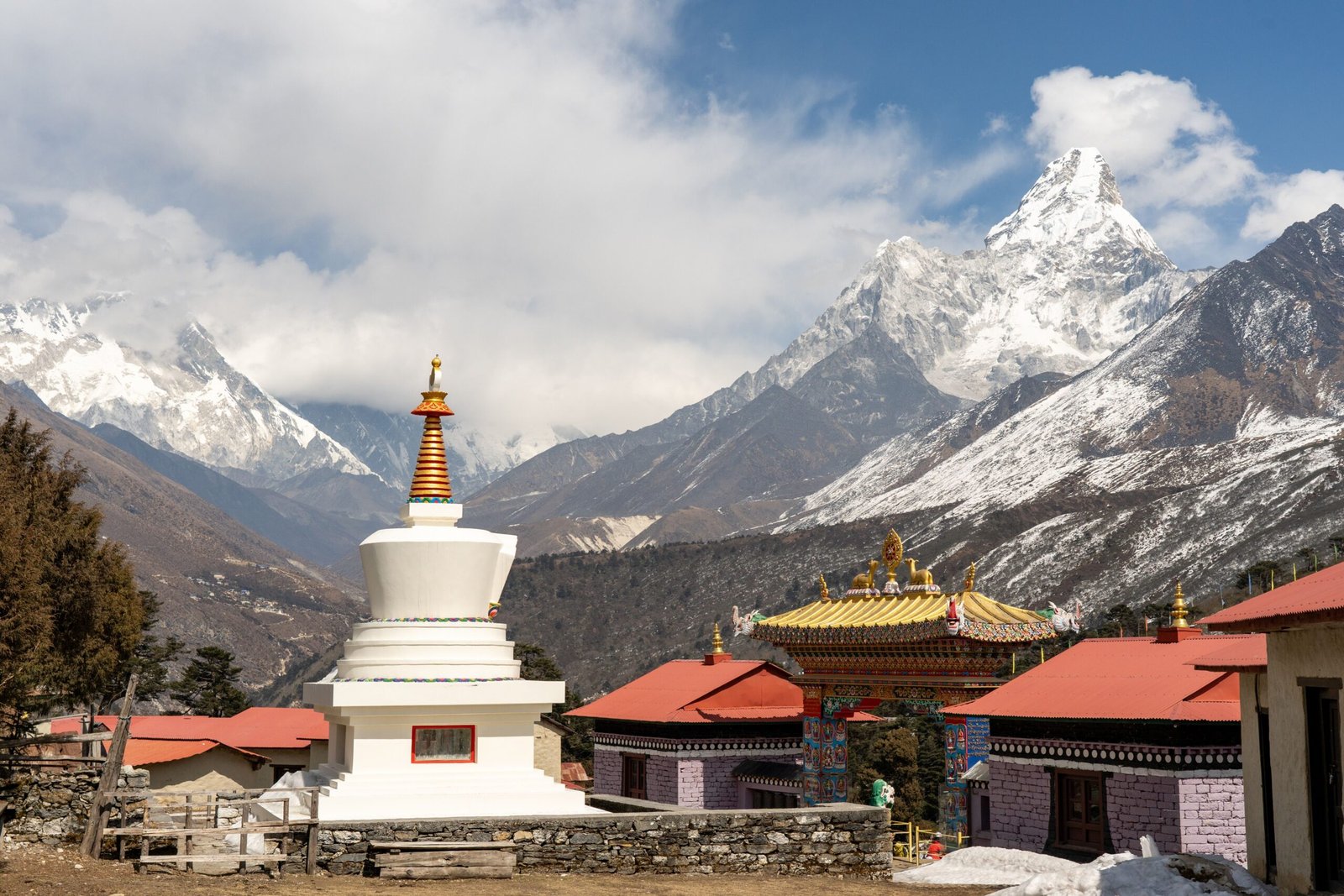
One of the Himalayas' most significant Buddhist monasteries, framed by Ama Dablam and Everest.

05

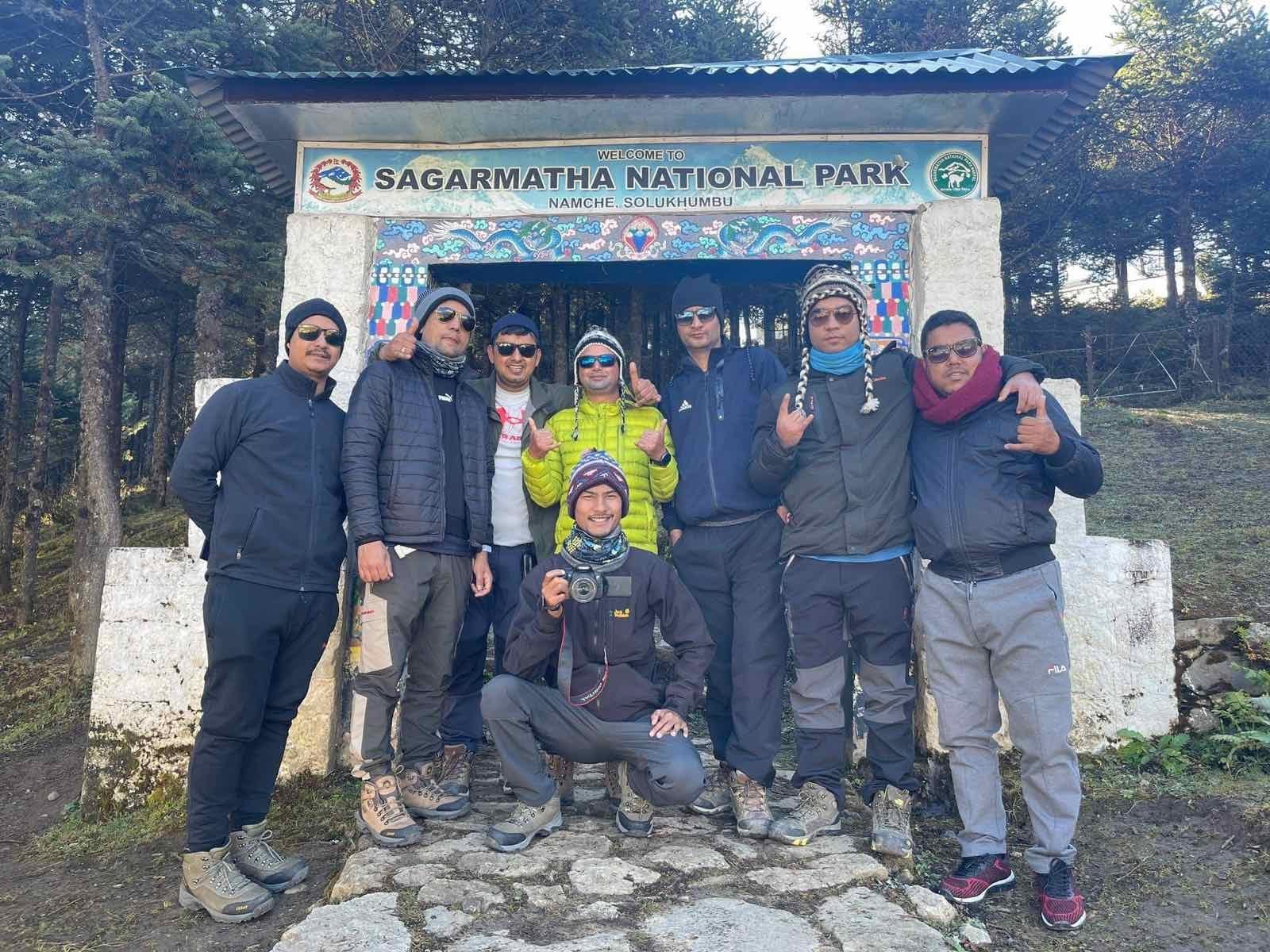
Sagarmatha National Park

Forests, rivers and protected high-altitude landscapes recognised as a UNESCO World Heritage Site.

06

Sherpa Culture

Insight into traditions, hospitality and mountain heritage of the people who call the Khumbu home.

07

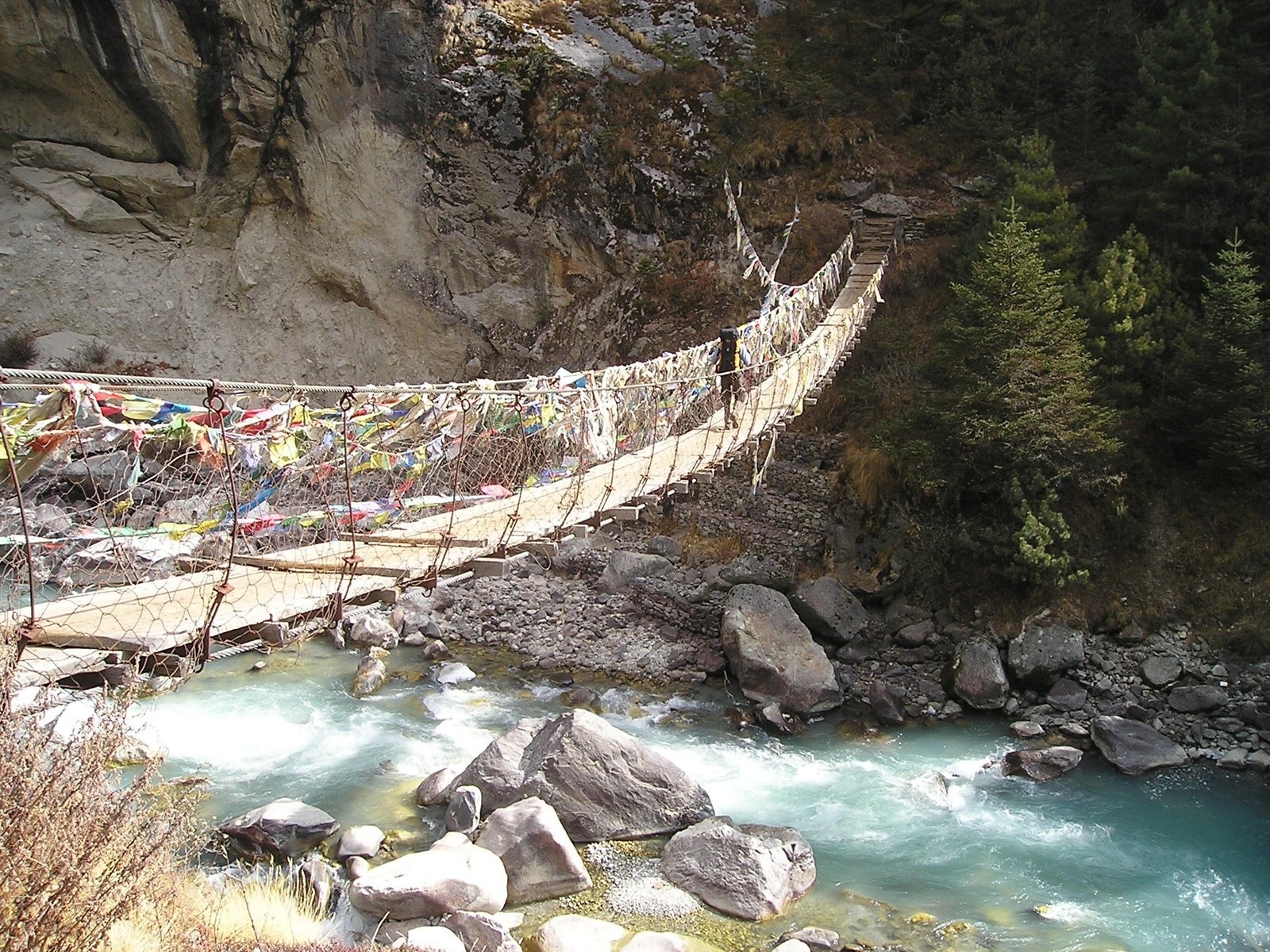
Suspension Bridges

Cross Nepal's most iconic prayer-flag bridges over the turquoise Dudh Koshi River.

08

Panoramic Peaks

Everest, Lhotse, Nuptse, Ama Dablam and Pumori dominate the skyline for days on end.

Why This Trek

Why The Everest Base Camp Trek Remains A Bucket-List Adventuren

The Everest Base Camp Trek attracts travellers for many different reasons.

For some, it is a personal challenge and a long-held dream. For others, it is an opportunity to experience the world's highest mountain region up close.

Unlike many travel experiences, the Everest Base Camp Trek combines physical achievement with cultural discovery. Every day offers something different — a mountain village, a monastery, a suspension bridge, a glacier valley, or a panoramic viewpoint.

The gradual journey through the Khumbu region allows trekkers to appreciate the landscapes rather than simply passing through them. The experience becomes less about reaching Everest Base Camp itself and more about the journey that leads there.

Many travellers arrive expecting a mountain trek and leave with memories of the people they met, the villages they visited, and the remarkable atmosphere of the Himalayas.

Trip Information

Everest Base Camp Trek At A Glance

RegionEverest / Khumbu
Duration12–14 Days
Maximum Altitude5,545m
Base Camp Altitude5,364m
DifficultyModerate To Challenging
AccommodationTea Houses
MealsAvailable Throughout Trek
Best SeasonsMarch–May & September–November
Starting PointLukla
Group TypePrivate & Group Departures
Everest Mountain Route
The Journey

Following The Classic Everest Base Camp Route

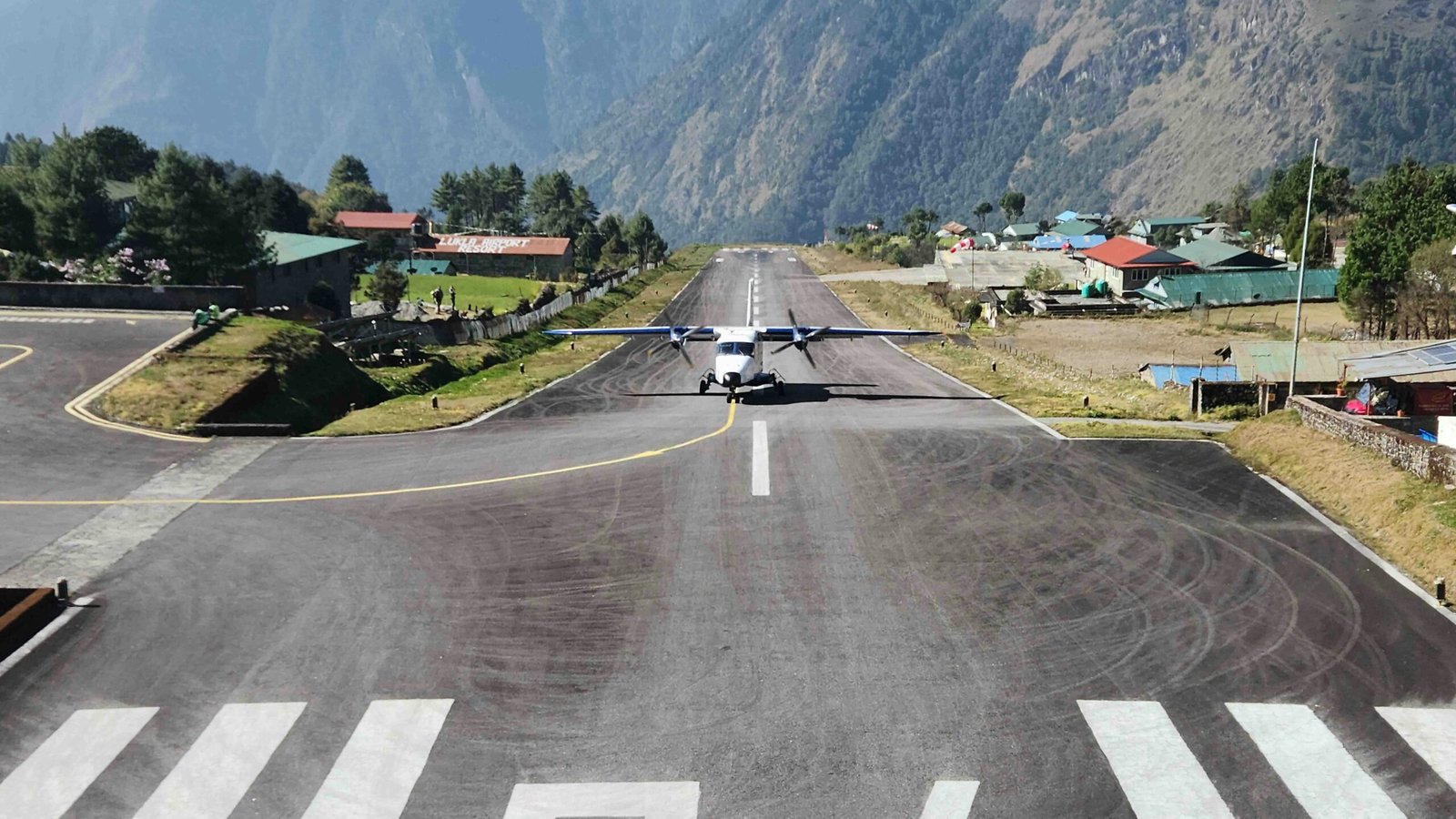
The trek begins with a mountain flight from Kathmandu to Lukla, a small mountain airstrip that serves as the gateway to the Everest region.

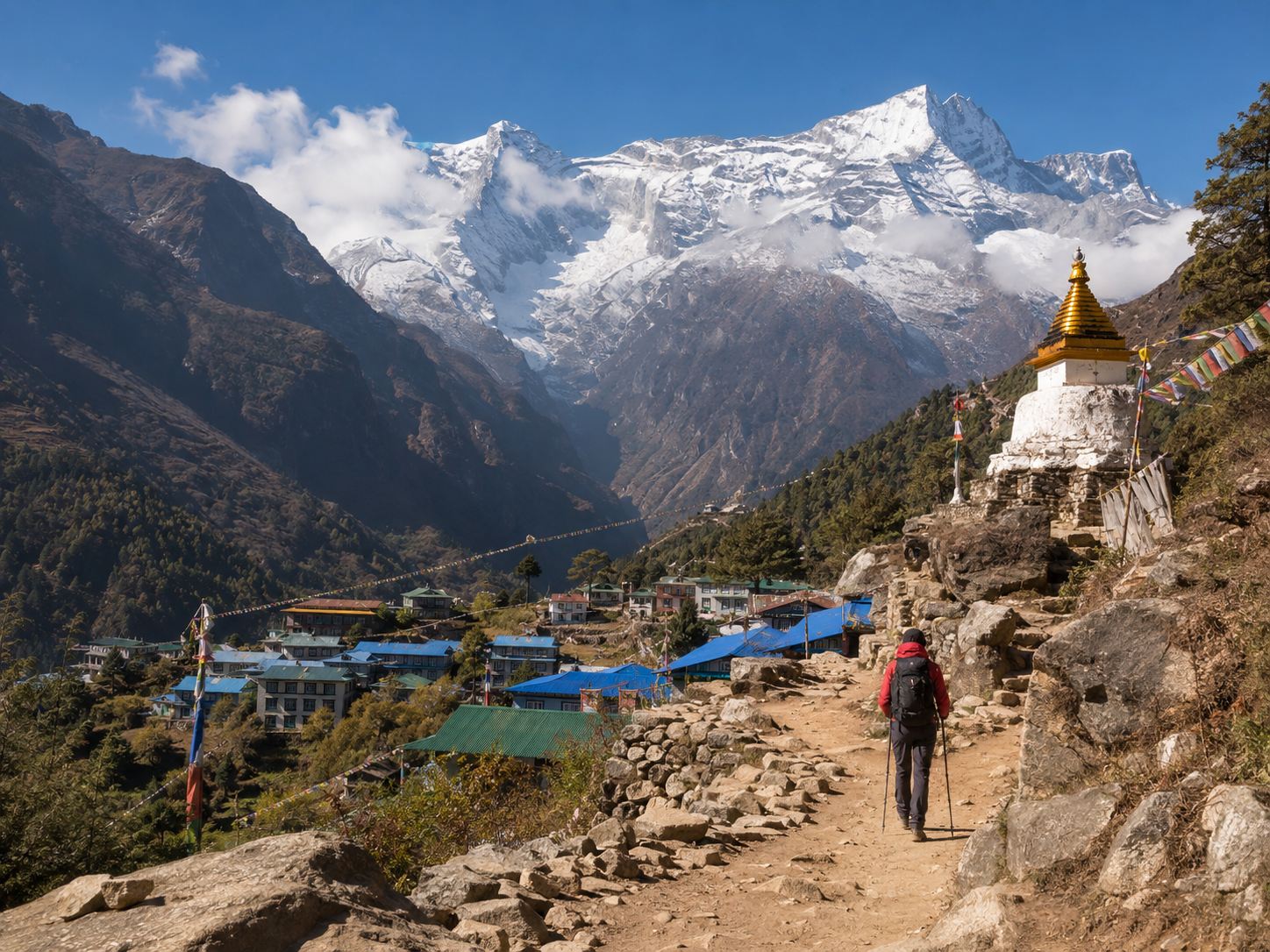
From Lukla, the trail follows the Dudh Koshi River through traditional Sherpa villages and forests before reaching Namche Bazaar, where trekkers spend time acclimatising.

After Namche, the route continues through Tengboche and Dingboche before entering the higher Himalayan landscape around Lobuche and Gorakshep.

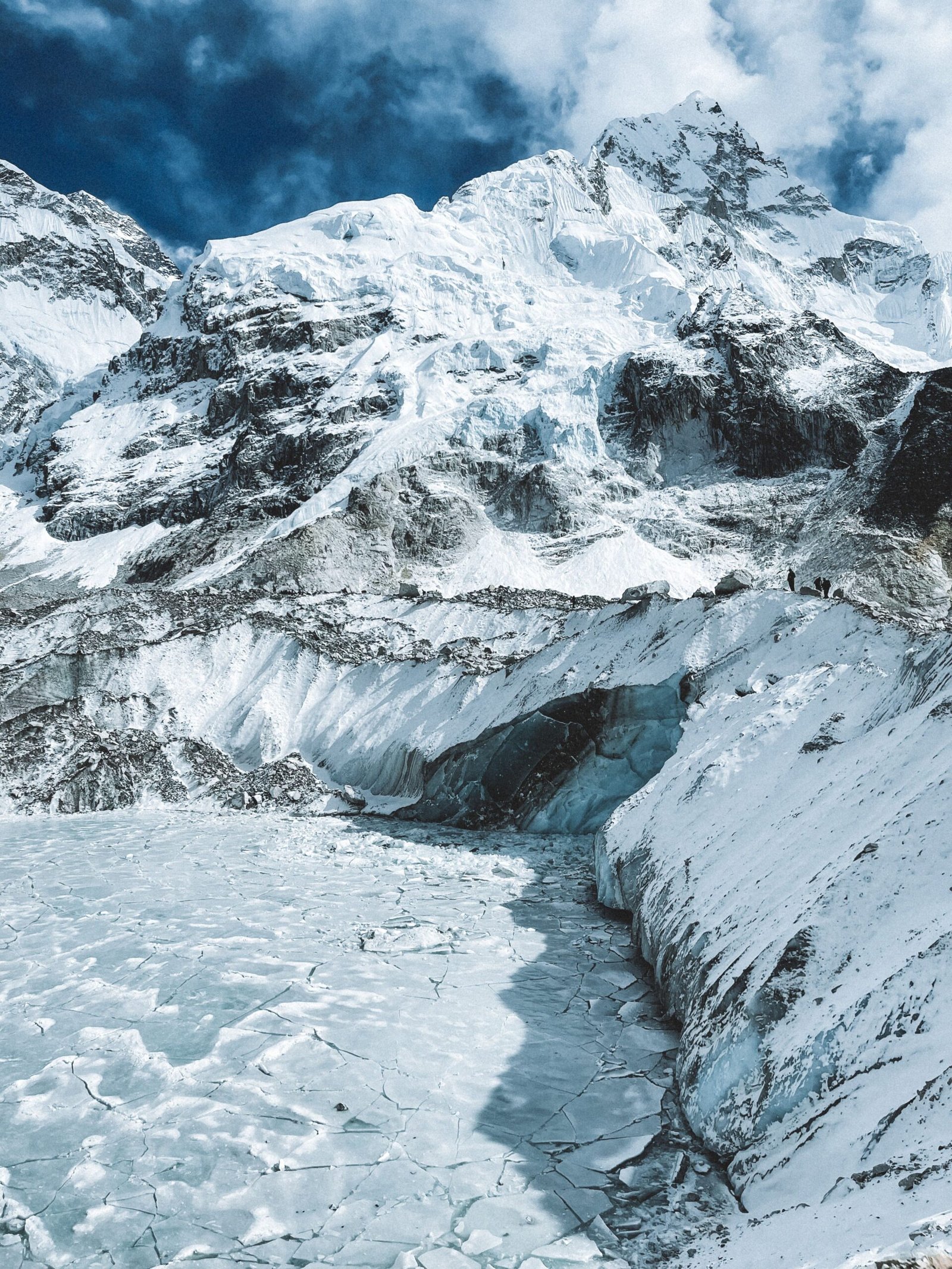
As the altitude increases, forests gradually disappear and are replaced by open valleys, rocky terrain, glaciers, and towering Himalayan peaks.

The route eventually reaches Everest Base Camp at 5,364 metres before continuing to Kala Patthar, which offers the best panoramic view of Mount Everest.

Trekkers then descend through the same valley before returning to Lukla and flying back to Kathmandu.

Kathmandu
Lukla
Phakding
Namche
Bazaar
Tengboche
Dingboche
Lobuche
Gorakshep
Everest
Base Camp
Kala
Patthar
Pheriche
Namche
Lukla
Kathmandu
Trip Itinerary

Your Everest Base Camp Trek Day By Day

Follow the full journey from Kathmandu to Lukla, through Sherpa villages, mountain valleys, acclimatisation stops, Everest Base Camp, Kala Patthar, and back to Kathmandu.
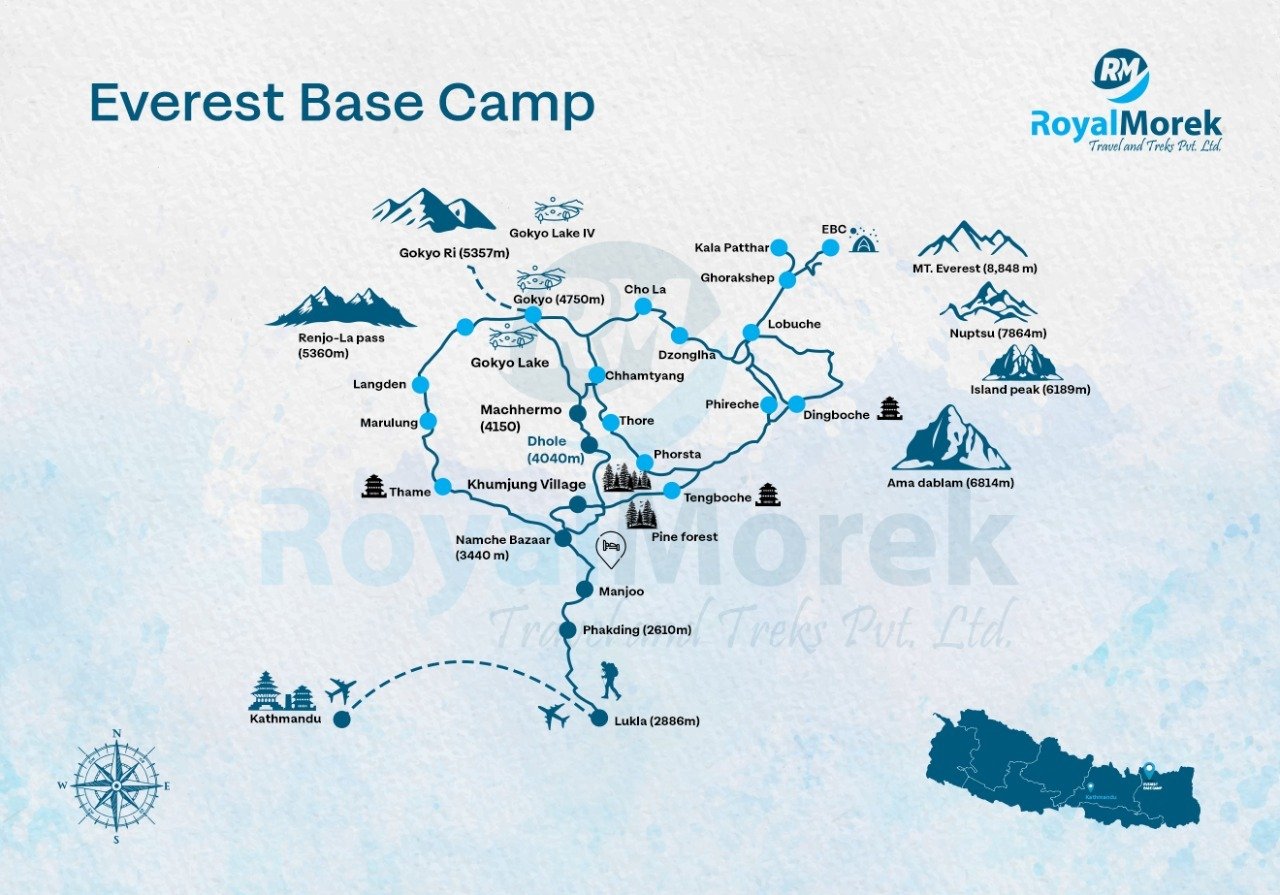
14 Days Kathmandu → Lukla → Everest Base Camp → Kala Patthar → Kathmandu
Everest Base Camp Route Map
Day 01

Arrival In Kathmandu

Upon arrival in Kathmandu, you will be welcomed and transferred to your hotel. Depending on your arrival time, you can explore the surrounding area, purchase any remaining trekking essentials, or simply relax before the journey begins.

Overnight: Kathmandu
Day 02

Flight To Lukla & Trek To Phakding

Your adventure begins with a scenic mountain flight to Lukla. After meeting the trekking crew and completing final preparations, the trail descends gently through villages and mountain landscapes before reaching Phakding.

3–4 Hours2,610mOvernight: Phakding
Day 03

Trek To Namche Bazaar

Following the Dudh Koshi River, the trail crosses several suspension bridges before entering Sagarmatha National Park. The final climb to Namche Bazaar is demanding, but the reward is the first distant view of Mount Everest.

6–7 Hours3,440mOvernight: Namche Bazaar
Day 04

Acclimatisation Day In Namche Bazaar

Short hikes to Everest View Hotel or nearby viewpoints provide excellent mountain views while helping the body adapt to the increasing elevation.

2–4 Hours3,440mOvernight: Namche Bazaar
Day 05

Trek To Tengboche

The trail follows a scenic route with spectacular views of Everest, Lhotse, Nuptse, and Ama Dablam. Trekkers can visit the famous Tengboche Monastery.

5–6 Hours3,860mOvernight: Tengboche
Day 06

Trek To Dingboche

Leaving Tengboche behind, the route gradually climbs into more open alpine landscapes. The scenery becomes increasingly dramatic as surrounding peaks dominate the horizon.

5–6 Hours4,410mOvernight: Dingboche
Day 07

Acclimatisation Day In Dingboche

A second acclimatisation day helps reduce altitude-related risks before entering higher elevations. Optional hikes to nearby ridges offer exceptional views.

2–4 Hours4,410mOvernight: Dingboche
Day 08

Trek To Lobuche

The trail continues through high-altitude landscapes towards Lobuche, passing memorial sites dedicated to climbers and mountaineers who lost their lives in the Himalayas.

5–6 Hours4,910mOvernight: Lobuche
Day 11

Trek To Namche Bazaar

The return journey continues through familiar villages and mountain trails as you descend towards Namche Bazaar.

6–7 HoursOvernight: Namche Bazaar
Day 12

Trek To Lukla

The final trekking day follows the Dudh Koshi Valley back to Lukla.

6–7 HoursOvernight: Lukla
Day 13

Flight To Kathmandu

Return flight from Lukla to Kathmandu. The remainder of the day can be spent relaxing, exploring the city, or celebrating the successful completion of the trek.

Overnight: Kathmandu
Day 14

Departure

Transfer to the airport according to your flight schedule.

Everest Base Camp Route Map
Package Information

What's Included In Your Trek

A clear overview of what is covered in your Everest Base Camp Trek package and what remains personal or additional.

Included

  • Airport transfers
  • Domestic flights Kathmandu–Lukla–Kathmandu
  • Required trekking permits
  • Sagarmatha National Park Permit
  • Local government entry fees
  • Accommodation during the trek
  • Professional trekking guide
  • Porter support if included in package
  • Government taxes and service charges

Not Included

  • International flights
  • Nepal visa fees
  • Travel insurance
  • Personal expenses
  • Additional meals in Kathmandu
  • Personal trekking equipment
  • Tips for guides and porters
  • Emergency evacuation costs
Travel Seasons

When To Plan The Everest Base Camp Trek

March – May

Spring

One of the most popular trekking seasons with stable weather, clear mountain views, and blooming rhododendron forests.

September – November

Autumn

Generally considered the best season for trekking due to excellent visibility, pleasant temperatures, and reliable weather conditions.

December – February

Winter

Quieter trails and fewer visitors. Cold temperatures should be expected, particularly at higher elevations.

June – August

Monsoon

The least popular season due to rainfall and reduced visibility, although the landscapes become greener and less crowded.

Common Questions

Frequently Asked Question

The Everest Base Camp Trek is generally considered a moderate to challenging trek. While no technical climbing is required, trekkers should be prepared for several days of walking at high altitude.

Previous trekking experience is helpful but not essential. Many first-time trekkers successfully complete the route each year with proper preparation and a reasonable level of fitness.

Altitude can affect anyone regardless of age or fitness level. The itinerary includes acclimatisation days to help your body adjust gradually, and guides will monitor your condition throughout the trek.

Comfortable trekking boots, layered clothing, a warm jacket, sunglasses, personal medications, and basic trekking essentials are recommended. A detailed packing list can be provided before departure.

Spring March–May and Autumn September–November are generally considered the best seasons due to stable weather and clear mountain views.

Yes. Travel insurance that covers high-altitude trekking and emergency evacuation is strongly recommended.

Yes. Royal Morek can arrange both private departures and group departures based on your preferences and travel dates.

Ready To Start Planning?

Let's Discuss Your Everest Base Camp Trek

Whether you're planning your first Himalayan trek or preparing for another adventure in Nepal, Royal Morek is here to help you organise your Everest Base Camp journey with confidence.

Speak with our team about travel dates, permits, accommodation, guides, and package options.